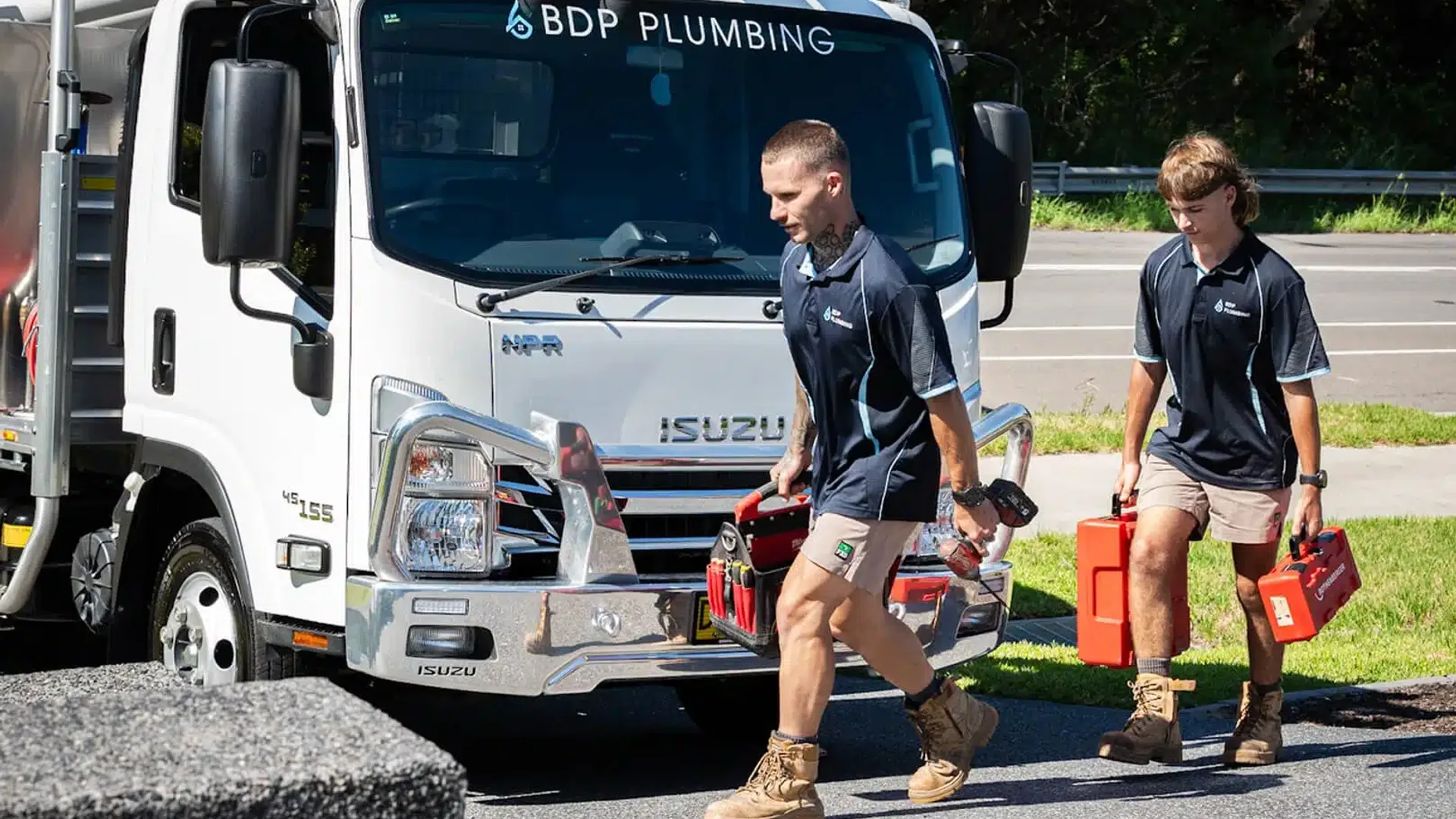
Hot Water in Islington
Hot Water Replacement Islington Homes Need
When a hot water system is finished, replacing the whole unit is often the honest answer. Plumbers swap dead systems across Islington and the neighbouring suburbs, old tank out and new system in, with the quote approved first.
This page covers when a swap makes sense, what suits the housing stock here, and how the job runs from first call to old tank gone.
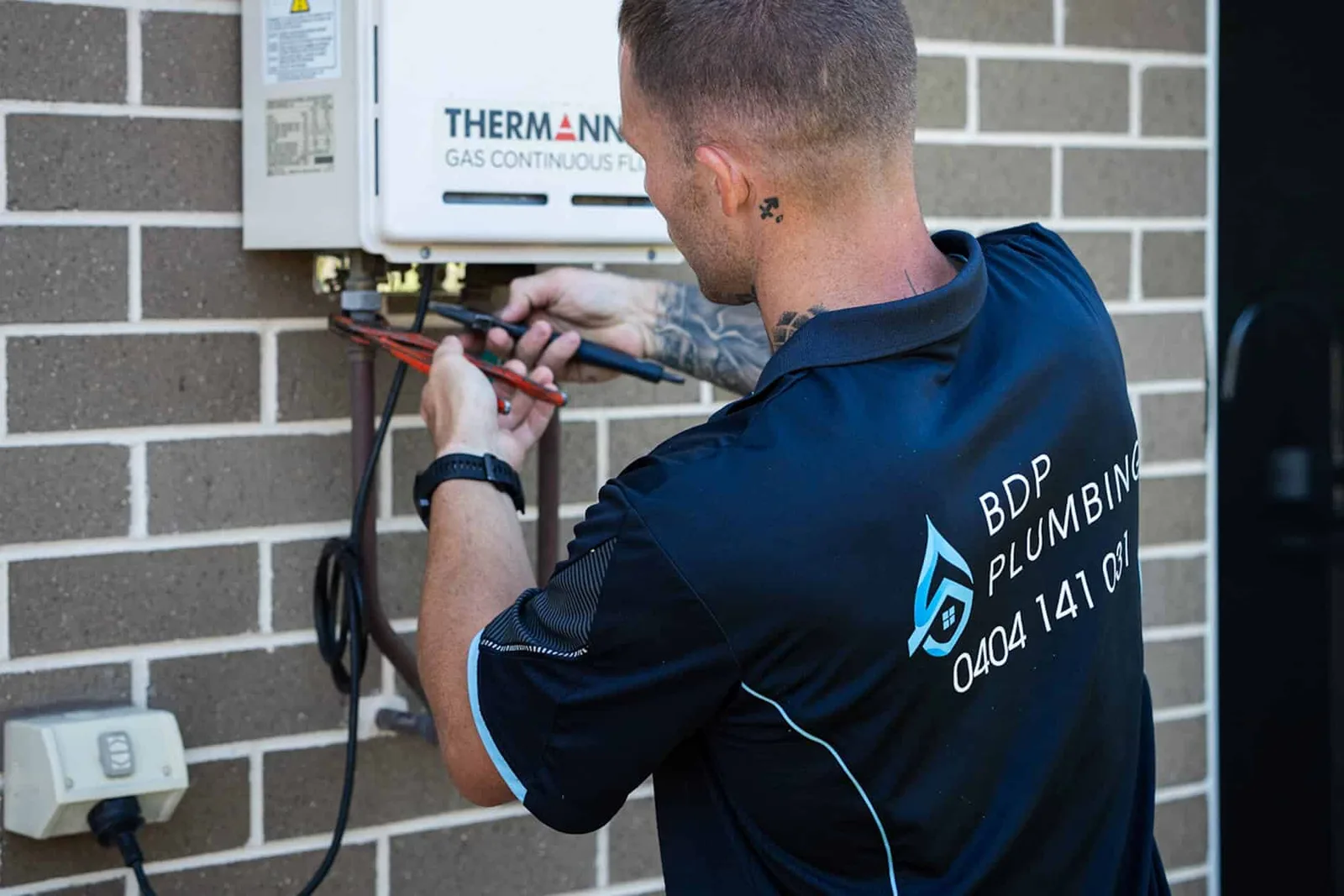
Signs the Tank Has Finished
Some failures get fixed. Others are the unit telling you it has had its last day.
The tank itself has failed.
The callouts keep stacking up.
The system no longer suits the household.
If the unit still has life in it, hot water repair is the sensible first call and we will say so. Sudden total failure with a house full of people sits on the no hot water page instead, because that one sometimes cannot wait for a scheduled swap.
What Replacement Day Looks Like on These Blocks
The housing here shapes the job before we arrive, and two patterns dominate.
The heritage cottage grid. Islington grew from the 1870s as workers cottages and terraces serving the rail yards and the steelworks, and a good slice of that original stock still stands. Those places bring narrow side passages, tight rear yards, and corroded supply lines from the same era sitting exactly where the new unit needs to connect.
The creek-side infill. Apartment and townhouse blocks along the Throsby Creek corridor run to a different rhythm: smaller footprints, strata sign-off before anyone drills, and a position chosen around body corporate rules rather than the old tank's footprint.
A few things decide the shape of any given job:
Access
Fuel
Supply
Sign-off
Spring adds another wrinkle, when cottages change hands and renovation repipes run alongside hot water swaps on the same street.
Picking What Goes In
The hot water hub carries the full comparison of system types. In short, the choice comes down to four:
Continuous-flow gas
Heat pump
Solar with boost
Electric tank
Sizing follows the household, not the brochure. The census recorded an average of 2.1 people per household here, which rarely justifies the biggest tank on the shelf.
You see the reasoning before you approve. The quote lays out why a size was recommended, so nothing gets signed off blind.
Neighbours have voted with their roofs, too. At the last census the suburb counted 909 dwellings, and 90 of them ran heat pump systems with another 70 on solar hot water. In this exact maritime climate, that uptake says something.
What the Quote Covers
Every replacement quote breaks into the same four parts, so you know exactly what you are approving:
Removal and disposal
Supply and valves
Compliance and testing
Placement on tight blocks
How the Swap Runs
- 1
Call and tell us
Ring (02) 4063 3422 and tell us what's going on in Islington. We'll ask a few quick questions so the right gear is on the truck the first time.
- 2
Quote before work
You get the price before anything starts. No call-out fee, no hourly surprises — you approve the quote or we shake hands and leave, no charge.
- 3
Out with the old, in with the new
The dead unit comes out and the new system goes in, every connection pressure tested before water runs through, and the workings shown to you before we pack up.
- 4
Backed, no questions asked
If something isn't up to standard afterwards, we come back and make it right, no questions asked. That's the standard every Islington job is held to.
Why Households Here Keep Calling
$0 Call Out
Quote First, Always
Licensed Local Plumbers
Made Right, No Questions Asked
That combination keeps the phone ringing, and it applies to a small swap exactly as it does to a full bathroom refit.
Where We Work in Islington and Nearby
The whole suburb sits on the run, and so do the five adjoining ones: Tighes Hill, Maryville, Wickham, Hamilton and Hamilton North. Each has its own suburb page, and the same quote-first process applies right across the pocket.
Hot Water Replacement Questions
How do I know the tank is finished for good?
Check the tank itself. Rust showing around the base, or a puddle that keeps returning after you wipe it up, means the lining has gone. Ring us with what it has been doing and you will get a straight answer.
Does the old tank get taken away?
Yes, gone for good. Draining, disconnection and carting the old unit off the block are all part of the job, so nothing rusts out in the side passage.
How long does a straight swap take?
Usually a day. Like-for-like swaps finish inside a day because the gas run, power and pipe positions already exist. Moving the unit or changing fuel stretches things, and the quote flags that first.
Can you fit compact units in the newer apartment blocks?
Compact units, yes. The infill near the creek needs smaller footprints, strata approval gets sorted before anyone drills, and the booking works around the body corporate.
What size system suits a small household?
Census figures put the average household here at 2.1 people, which suits a modest tank or continuous-flow unit rather than an oversized one heating water nobody uses. The sizing logic comes with the quote.
Do you cover the suburbs nearby too?
Tighes Hill, Maryville, Wickham, Hamilton and Hamilton North are all on the regular run, with the same $0 call out and quote-first process right across the pocket.
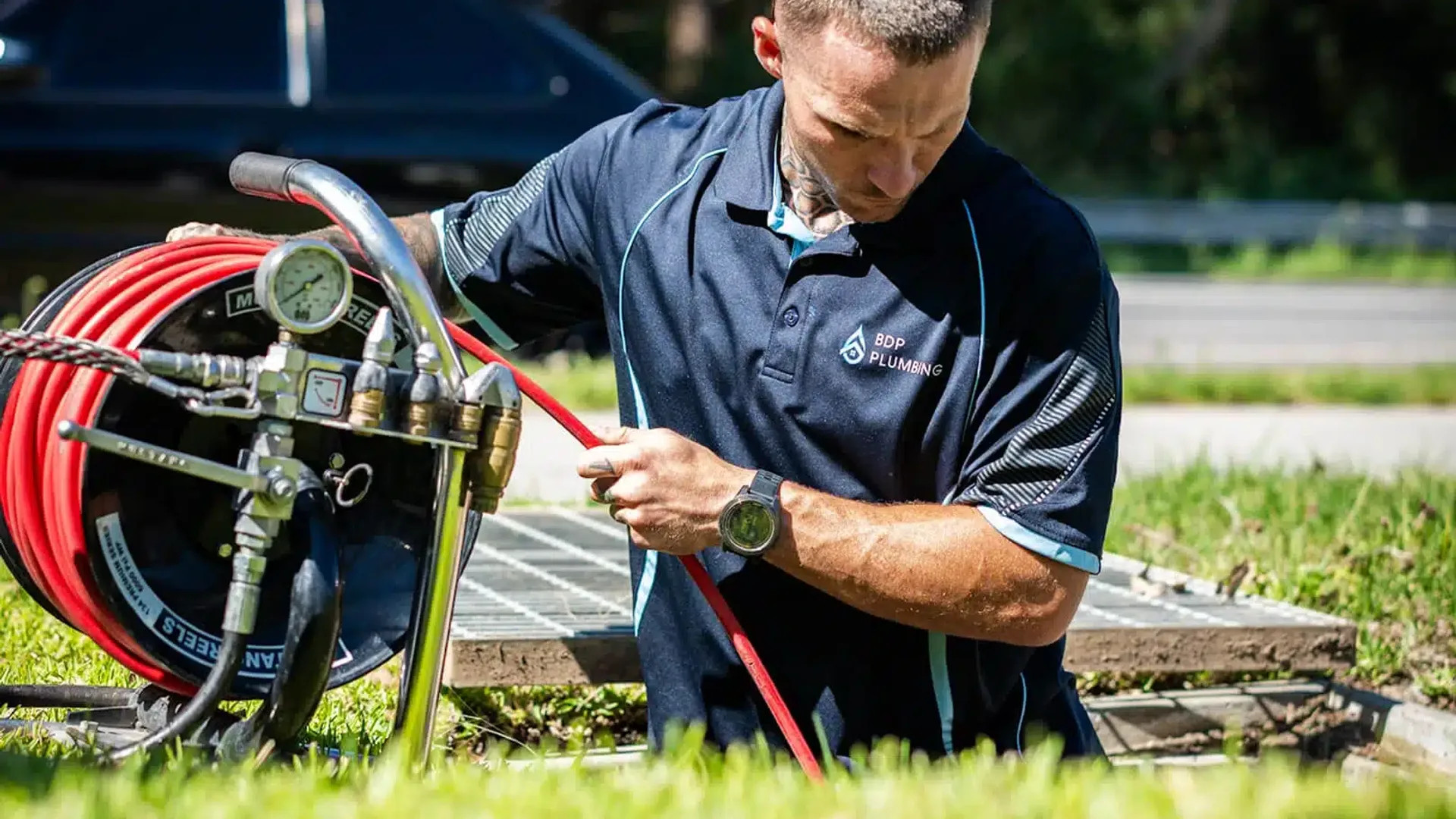
Plumbers in Islington and the suburbs around it
Book Your Hot Water Replacement
Call (02) 4063 3422 and tell us what's happening. $0 call out across Islington, a clear quote before any work starts, and a job that gets made right if it isn't right the first time.