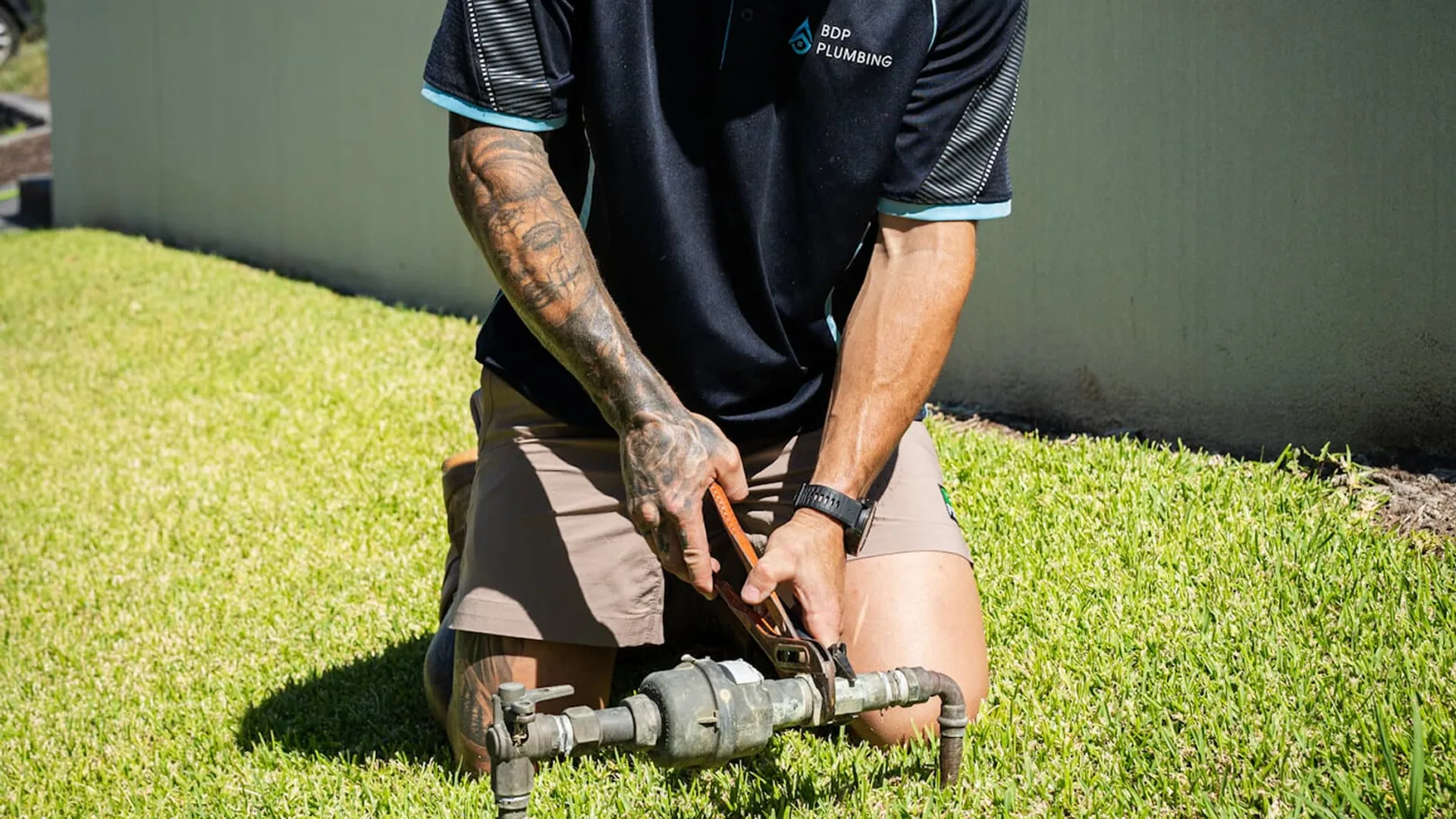
General Plumbing in Islington
Leak Detection Islington
Some leaks announce themselves. Most do not. Leak detection is about finding the slow ones: the stain on a ceiling, the damp patch under the house, the water bill that does not match anything you did.
Plumbers Islington traces them properly, repairs them, and quotes before any work starts. The general plumbing work behind this page sits on the Islington home page, and the plumbing hub at general plumbing in Islington covers the wider range.
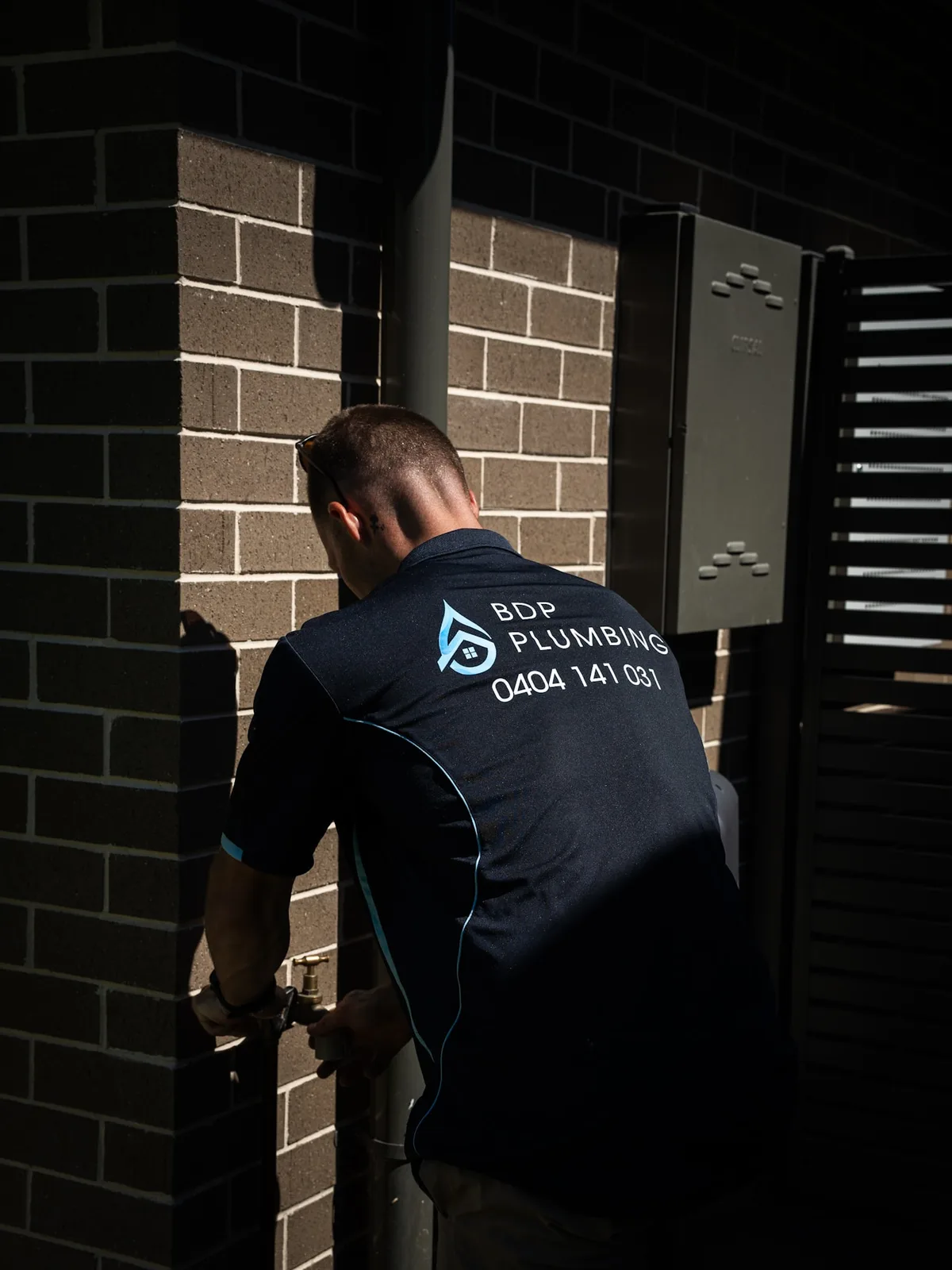
Signs You Have a Leak Somewhere
A hidden leak rarely shows itself at the tap. What you notice first is usually indirect, and any one of these is worth a phone call:
- A water bill that jumps with no change in how you use the place
- A stain spreading across a ceiling or wall with nothing obvious above it
- Water pooling under the house or a yard patch that never dries
- Pressure that has quietly dropped at one tap or across the property
- The meter ticking over while every fixture and appliance is off
Any of those counts. The worst part of a hidden leak is not the water itself. It is the months it keeps going while timber, plaster and footings soak.
How the Leak Gets Found
Detection is a process of elimination, done with instruments rather than guesswork. Four tools do most of the work:
- 1
Acoustic listening
Water escaping a pressurised pipe makes a sound. Sensitive listening gear picks it up through walls, floors and soil, narrowing a whole house down to a single patch of wall or floor.
- 2
Pressure testing
Sections of supply get isolated and watched. Pressure that holds marks a clean run; pressure that drops puts the leak inside it. This rules whole pipe runs in or out fast.
- 3
The meter test
The simplest check in the kit. Everything on the property gets switched off, and if the meter keeps creeping, water is leaving the system somewhere between the street and the taps.
- 4
Camera and tracer work
Where the fault hides in a buried run, or the evidence points below the floor, a camera or tracer pins the spot precisely. Any opening we make is then small and deliberate.
Why Leaks Hide So Well in This Suburb
The cottage stock hides its failures.
The ground moves the pipes.
Two pipe generations under one small grid.
What It Costs
You get the price before anything starts, and the call out is $0.
One quote for the whole job.
Honest flags on old pipe.
Related Work
Finding the leak is often the start of a bigger picture. These pages cover the rest:
Get the Leak Found
- 1
Call and tell us
Ring (02) 4063 3422 and tell us what's going on in Islington. We'll ask a few quick questions so the right gear is on the truck the first time.
- 2
Quote before work
You get the price before anything starts. No call-out fee, no hourly surprises. You approve the quote or we shake hands and leave, no charge.
- 3
Trace it properly
Listening gear, pressure tests and tracer lines narrow the fault to a spot before anything gets opened, so the repair is small, deliberate and priced from evidence.
- 4
Backed, no questions asked
If something isn't up to standard afterwards, we come back and make it right, no questions asked. That's the standard every Islington job is held to.
Leak Detection FAQs
How do you find a leak behind a wall without opening it up?
Listening gear and pressure testing narrow the location first. By the time anything is opened we know what we are dealing with, so the hole is small and the repair is planned.
What does leak detection cost?
The call out is $0 and the quote comes before any work starts. Once the leak is located, repair gets priced at the same time, so you approve one figure for the job.
Is a sudden jump in my water bill always a leak?
Not always, but it is the classic sign, and the meter test takes minutes. Everything off, then watch: a creeping meter means water is escaping somewhere it should not be.
Can you find leaks under the house or out in the yard?
Both are routine work. Low-set cottage subfloors and buried supply runs across the yard get traced with the same instruments, and shifting ground here makes buried leaks a regular find.
Do you repair the leak once you find it?
Yes, and the repair is quoted before it starts. If the leaking section belongs to a galvanised line that is corroded along its length, you hear that straight along with the patching cost.
Could the leak be in the drain rather than the water pipes?
It can be, and guessing between the two wastes money. If the signs point under the floor, a camera inspection of the earthenware drains settles which system is losing water first.
Plumbers in Islington and the suburbs around it
Book a Leak Trace
Call (02) 4063 3422 and tell us what's happening. $0 call out across Islington, a clear quote before any work starts, and a job that gets made right if it isn't right the first time.